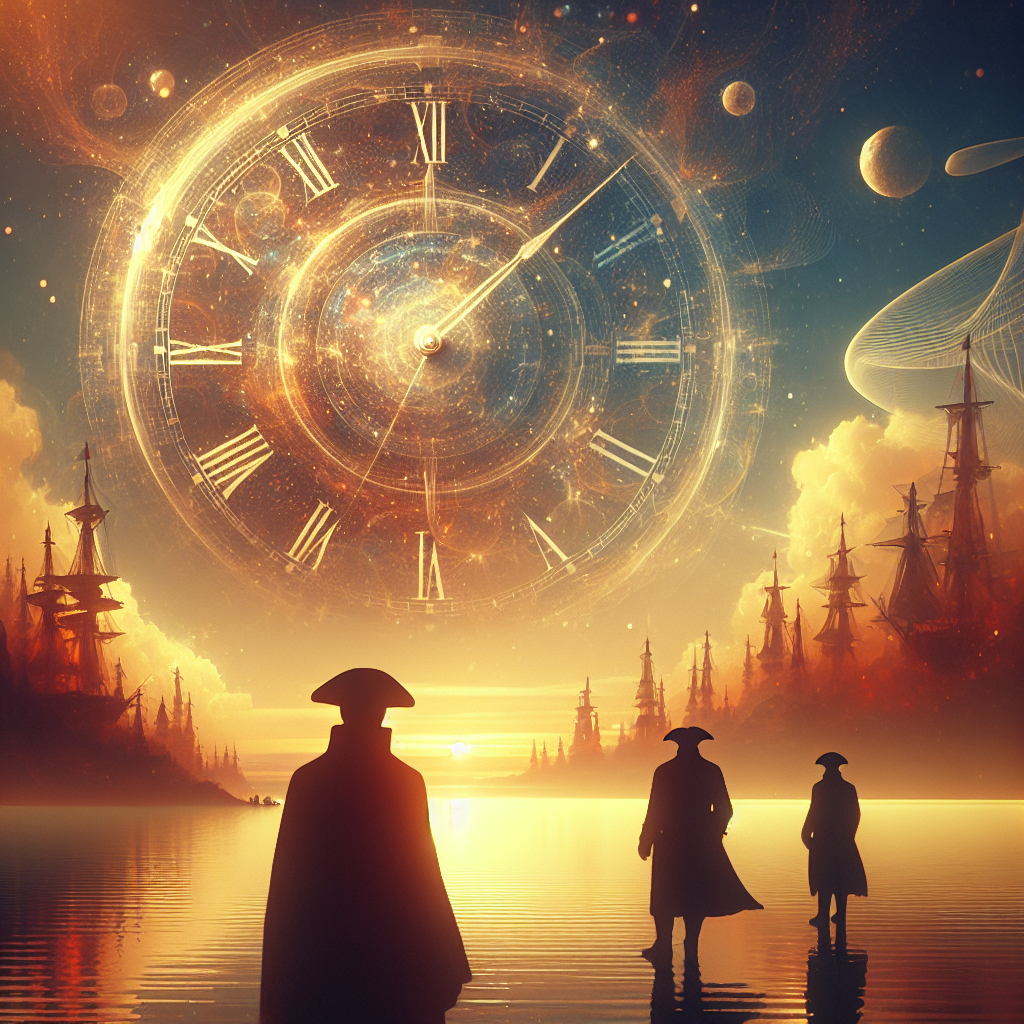

• “A Christmas Carol,” published in 1843, is a classic novella by Charles Dickens that remains popular worldwide.
• The story is set in Victorian London and follows Ebenezer Scrooge, a miserly moneylender.
• Scrooge is visited by the ghost of Jacob Marley and three spirits that reveal the consequences of his greed.
• The Ghost of Christmas Past shows Scrooge scenes from his life, highlighting joy and regret.
• The Ghost of Christmas Present reveals the warmth and struggles of characters like Bob Cratchit.
• The Ghost of Christmas Yet to Come provides a grim vision, prompting Scrooge’s transformation.
• The novella critiques the social inequalities of Dickens’ time, advocating for compassion and community.
• “A Christmas Carol” has inspired numerous adaptations in film, TV, and theater, influencing Christmas culture.
First published in 1843, Charles Dickens’ “A Christmas Carol” remains a beloved classic that continues to captivate audiences worldwide. Its compelling narrative of transformation and redemption has transcended the Victorian era, maintaining its relevance and appeal in modern times. This timeless novella not only reflects Dickens’ profound social criticism but also serves as a perennial reminder of the true spirit of Christmas.
“A Christmas Carol” is set in the bustling streets of Victorian London and follows the life of Ebenezer Scrooge, a miserly and solitary moneylender. Scrooge’s disdain for the festive season and his cold-heartedness towards others are challenged on Christmas Eve when he is visited by the ghost of his former business partner, Jacob Marley. Marley’s apparition warns Scrooge of the dire consequences of his greed and heralds the arrival of three spirits: the Ghosts of Christmas Past, Present, and Yet to Come.
Through these supernatural encounters, Scrooge is taken on a journey that reveals the impact of his actions on himself and those around him. The Ghost of Christmas Past transports him to scenes from his own life, highlighting moments of joy and regret. The Ghost of Christmas Present unveils the warmth and struggles of those who embody the true essence of Christmas, including his underpaid clerk, Bob Cratchit, whose family faces hardship with grace and unity. Finally, the Ghost of Christmas Yet to Come offers a grim vision of Scrooge’s lonely demise, prompting him to reconsider his ways.
Dickens’ story is more than just a ghostly tale; it is a pointed critique of the social inequalities of his time. The novella poignantly addresses issues such as poverty, the neglect of the poor, and the consequences of unchecked capitalism. Through Scrooge’s transformation, Dickens advocates for compassion, generosity, and community, values that resonate with readers even today.
The success of “A Christmas Carol” is evident in its countless adaptations across various media. The story has been reimagined in films, television specials, stage productions, and even animated features, each bringing a fresh perspective to the age-old narrative. Notable adaptations include the 1984 TV movie starring George C. Scott, praised for its faithful portrayal of the original text, and the 2009 animated film featuring Jim Carrey, which utilized cutting-edge motion capture technology to breathe new life into the story.
Beyond its adaptations, “A Christmas Carol” has embedded itself into popular culture, influencing how we celebrate Christmas and think about this time of year. The phrase “Merry Christmas” gained popularity partly due to the novella, and the character of Scrooge has become synonymous with miserly behavior.
As the holiday season approaches, “A Christmas Carol” continues to inspire acts of kindness and reflection. Its enduring appeal lies in its universal themes of redemption and the power of change. Dickens’ tale reminds us that it is never too late to alter one’s path and embrace the joy of giving. In a world that often feels divided, Scrooge’s journey from isolation to connection offers a hopeful message that remains as relevant today as it was over a century ago.